
Hidden Wichita: An Urban Exploration Photography Guide
Wichita doesn't always get credit for its visual character — but spend an afternoon wandering its older neighborhoods and downtown streets with a camera, and you'll quickly realize this city has layers. Weathered brick walls, bold street murals, rain-slicked alleyways, and historic storefronts all offer rich textures and stories waiting to be captured.
You don't need to travel far to find compelling subjects. Here's how to uncover the hidden visual gems that make Wichita a surprisingly great city for urban exploration photography.
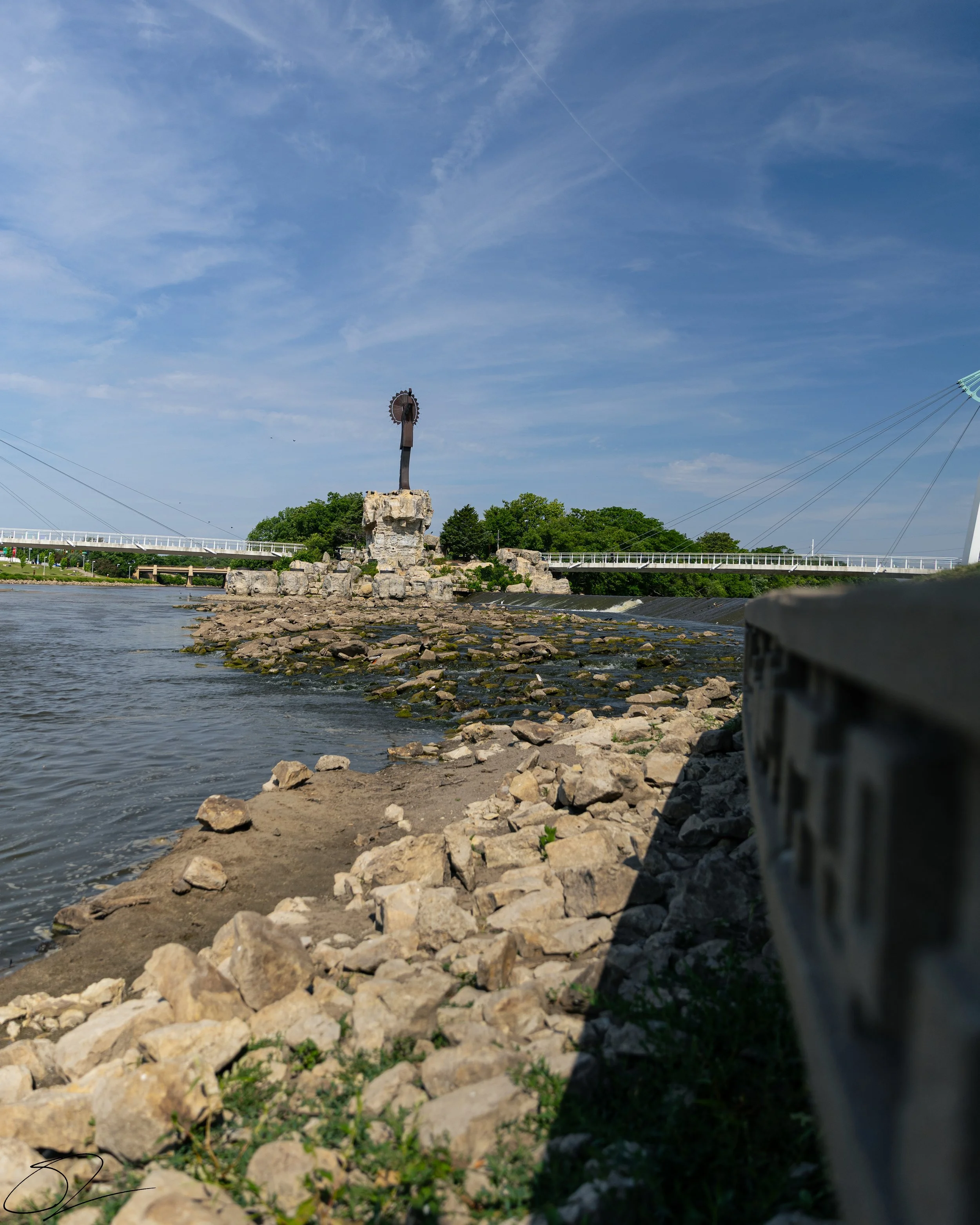
1. Hunt for Murals in the Douglas Design District
The stretch of Douglas Ave known as the Douglas Design District is one of Wichita's most visually dynamic areas. Large-scale murals cover building facades, and new pieces seem to appear regularly, making it a spot worth revisiting throughout the year.
When photographing murals, don't just shoot straight-on documentation shots. Look for interesting leading lines — a road, a sidewalk, a row of parked bikes — that draw the eye into the frame. Incorporate people when you can: a cyclist passing in front of a mural or a pedestrian pausing to look adds a sense of scale and life to an otherwise static image. Early morning light hits the east-facing walls beautifully, while late afternoon works well for west-facing pieces.
2. Explore Old Town's Brick Textures & Architecture
Old Town Wichita is a treasure chest for texture-focused photography. The neighborhood is packed with late 1800s and early 1900s brick warehouses, rusted metal signage, arched windows, and worn wooden doorframes — all of it dripping with character.
The secret weapon for shooting here? Overcast days. Cloud cover acts like a giant softbox, eliminating harsh shadows and bringing out the rich, warm tones of the brick without blowing out highlights. It's also a great neighborhood to slow down and shoot details — a peeling painted advertisement on the side of a building, a vintage door handle, a crumbling cornice — rather than always reaching for the wide establishing shot.
3. Find Reflections in Unexpected Places
One of urban photography's best-kept secrets is the puddle. After rain, the streets, parking lots, and alleyways around downtown Wichita become temporary mirrors — reflecting neon signs, streetlights, illuminated storefronts, and the colorful murals above.
These opportunities are fleeting, lasting only an hour or two before the water evaporates or drains away, so move quickly when rain hits. Get low — really low — to maximize the reflection in your frame. Even a small puddle can reflect an entire building when your lens is close to the ground. Try shooting in the early evening when artificial lights are on but there's still just enough ambient light to balance the exposure.
4. Visit the Delano District for a Historic Feel
Before Wichita was Wichita as we know it today, Delano was a wild frontier settlement just across the Arkansas River — a lawless end-of-trail stop for cattle drives on the Chisholm Trail. That history is still embedded in the architecture and atmosphere of the neighborhood today.
Delano offers a grittier, more documentary feel compared to the polished parts of downtown. It's well-suited for street photography and black-and-white work — the contrast between old storefronts, working-class streetscapes, and the occasional burst of color makes for compelling, honest images. Early mornings give you quiet streets and long, dramatic shadows ideal for moody monochrome compositions.
5. Look Up — and Down
Here's the tip that separates good urban photographers from great ones: vary your perspective constantly.
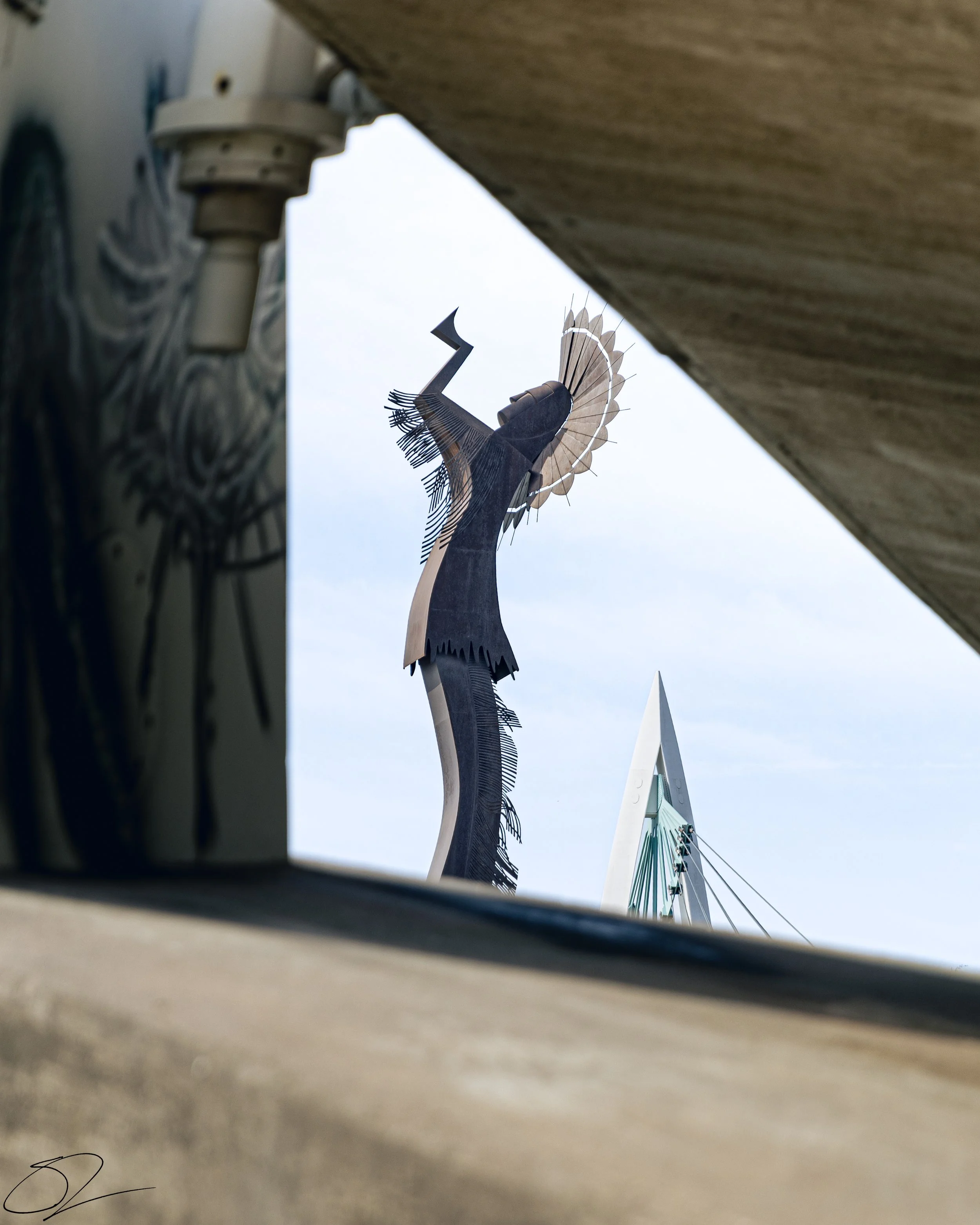
In Wichita's downtown, most people walk through at eye level and never think to look up. But above you are fire escapes, ornate cornices, rooftop water towers, and converging lines of architecture that create dramatic, graphic compositions. Tilt your camera skyward between historic brick buildings and you'll find unexpected geometry.
Then go the other way — crouch low and shoot at ground level. Manholes, cracked pavement, reflective surfaces, and ground-level architectural details become entirely new subjects when seen from a few inches off the ground. Changing your perspective costs nothing but a moment of awareness, and it transforms ordinary city scenes into something worth a second look.
Go Explore Your City
The best thing about urban exploration photography is that it trains you to see your own city differently. Wichita rewards the curious photographer — the one willing to turn down an alley, stop in front of a brick wall, or crouch in a puddle for the shot. Take your time, walk slowly, and look for the details most people hurry past.
Have a hidden Wichita spot we should know about? Share it in the comments!
Next in the series: Wichita's Wild Side – A Nature & Wildlife Photography Guide
