
Wichita's Wild Side: A Nature & Wildlife Photography Guide
Kansas has a reputation for being flat and featureless — a state you drive through on the way to somewhere else. But ask any wildlife photographer who's spent time in the Wichita region, and they'll tell you a different story. From urban parks teeming with herons and waterfowl to one of the most significant migratory bird refuges in North America just 90 minutes away, this corner of the Great Plains is genuinely wild — if you know where to look.
Here's your guide to nature and wildlife photography in and around Wichita.
1. Visit Chisholm Creek Park for Bird Photography
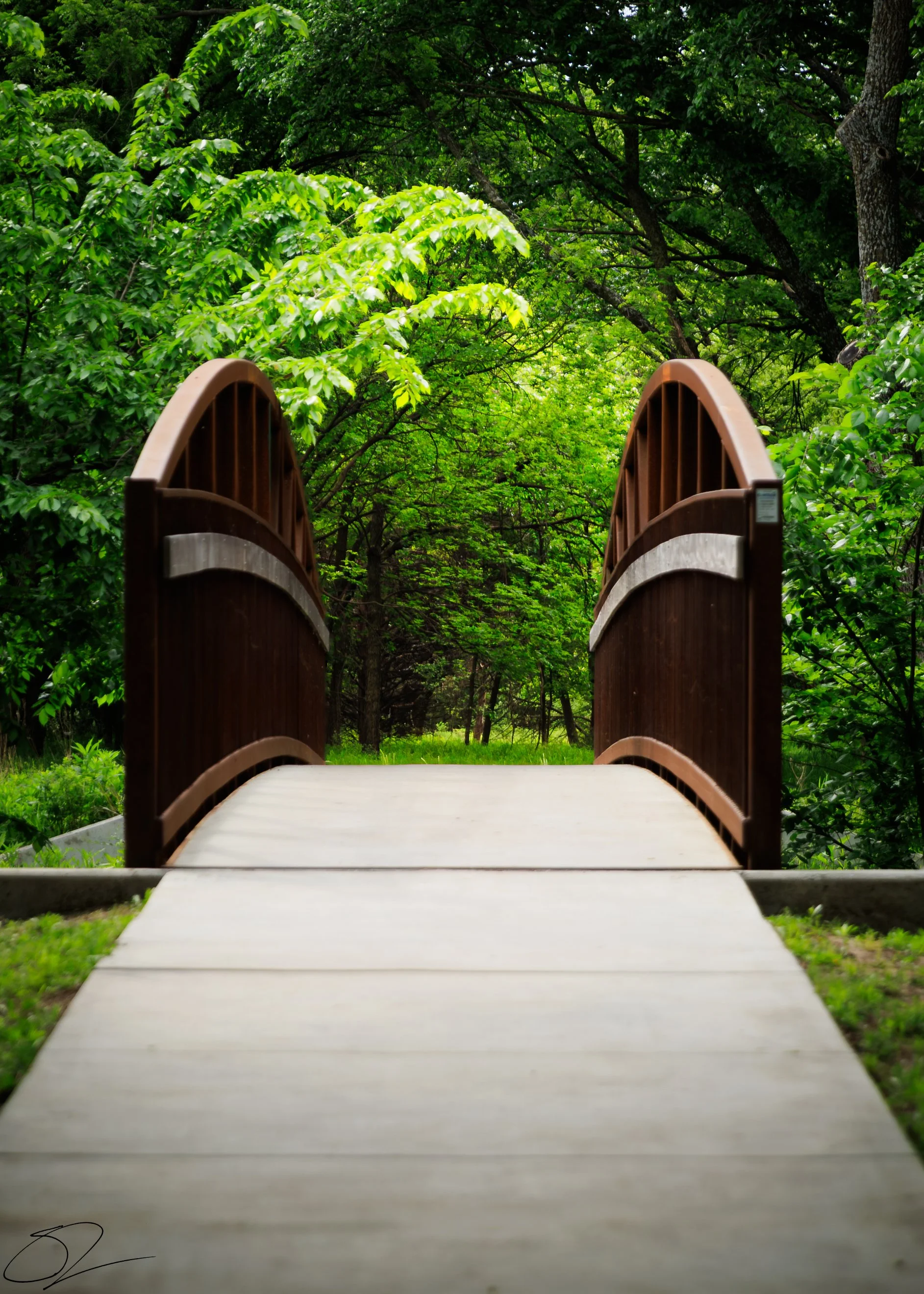
Chisholm Creek Park on Wichita's north side is one of the city's most underrated photography locations. The creek, ponds, and surrounding woodland habitat attract an impressive variety of wildlife year-round — great blue herons standing motionless in the shallows, egrets hunting along the banks, wood ducks, kingfishers, and a rotating cast of migratory songbirds depending on the season.
For bird photography here, a telephoto lens of 300mm or more is your best friend — it lets you fill the frame with a subject without getting close enough to disturb it. Early morning is when wildlife activity peaks, so plan to be on the trails at or just after sunrise. Move slowly, speak quietly, and give yourself time to let the park settle around you before expecting action.
2. Day-Trip to Quivira National Wildlife Refuge
If you're serious about wildlife photography in Kansas, Quivira National Wildlife Refuge deserves a dedicated trip. Located about 90 minutes northwest of Wichita near Stafford, Quivira is a federally protected wetland complex and a globally significant stopover point for migratory birds on the Central Flyway.
During spring and fall migration, the refuge fills with thousands of shorebirds, sandhill cranes, white pelicans, and waterfowl. The numbers can be staggering. Bring your longest lens, and consider using a bean bag or window mount for shooting from your vehicle — many birds at Quivira are surprisingly tolerant of cars, making vehicle-based shooting highly effective. Check the refuge's website for seasonal highlights before you go.
3. Photograph Wildflowers at the Right Time
From late April through June, the roadsides and open prairies around Wichita come alive with wildflowers. Native Kansas species like prairie coneflowers, wild bergamot, black-eyed Susans, and the iconic sunflower emerge in waves through the season, offering both wide landscape opportunities and intimate close-up work.
For flower photography, get low and go wide open. A macro lens or a standard lens set to a wide aperture (f/2–f/2.8) will throw the background into a soft, creamy blur, isolating your subject against a wash of color. Shoot in the early morning when light is soft and dew is still present on petals. Avoid the midday sun, which creates harsh shadows and bleaches out delicate colors.
4. Use "Quiet Patience" as Your Best Tool
No telephoto lens, no expensive hide, no special technique replaces this: stillness. Wildlife photography fundamentally rewards the photographer who can slow down, sit quietly, and wait.
Find a promising spot near water, a woodland edge, or a meadow. Get yourself set up and settled — camera ready, settings dialed in — and then simply stop moving. Turn off your phone notifications, minimize your fidgeting, and let the natural world forget you're there. Birds and mammals that were alarmed by your arrival will gradually resume their normal behavior, often coming surprisingly close. The best wildlife images usually aren't chased down — they're waited for.
5. Sedgwick County Park for Accessible Nature Shots
You don't always need to drive far to find great nature photography in Wichita. Sedgwick County Park on the city's northwest side is a large, varied park with wooded trails, open grassland, and the Little Arkansas River running through it — all within easy reach for a morning or evening shoot.
Fall is the standout season here, when the tree canopy along the river turns to orange, gold, and deep red and the slanting autumn light makes everything glow. But the park offers something in every season: spring wildflowers along the trails, summer dragonflies over the water, and bare winter trees with graphic, minimalist silhouettes against a pale sky. It's the kind of place that rewards regular visits throughout the year.
Get Outside and Shoot
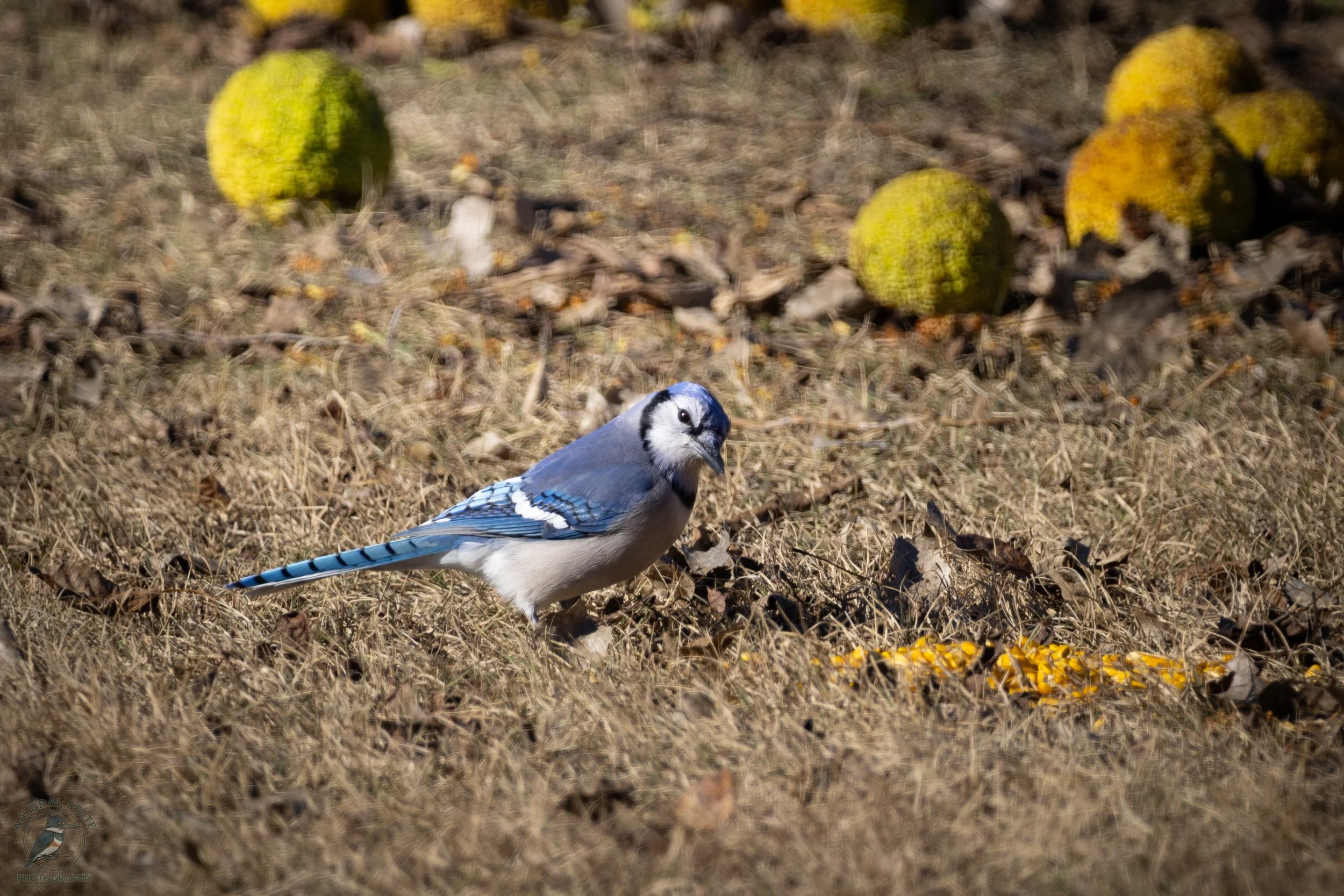
The Wichita region's natural world is far richer than most people give it credit for. All it takes is getting outside early, moving slowly, and paying attention. Whether you're shooting herons at Chisholm Creek or sandhill cranes at Quivira, Kansas has a way of rewarding photographers who show up with patience and curiosity.
What's your favorite wildlife photography spot in the Wichita area? Let us know in the comments below.
Next in the series: Flat Land, Big Sky – A Storm & Landscape Photography Guide
